
ACL Rehabilitation Physiotherapy in Joondanna and Moora
CLINICAL REVIEW DETAILS
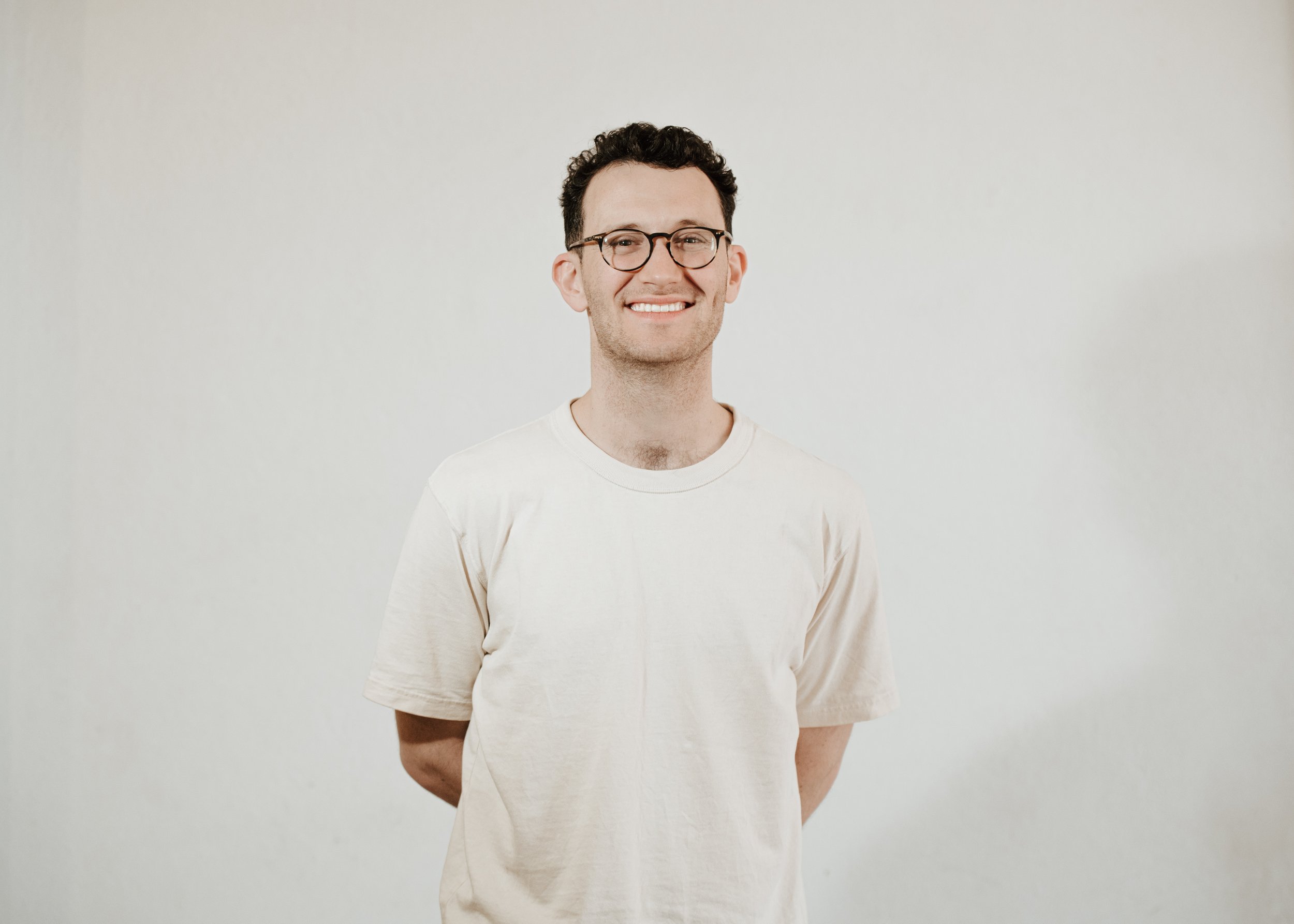
Clinically reviewed by: Nick Nyman, Senior Musculoskeletal Physio
Last reviewed: August 2026
Profile link: Read Nick’s Bio
From injury to a confident return to sport
ACL rehabilitation is a long, criteria-based process that restores knee movement, strength, power, confidence and sport-specific capacity. Some people require reconstruction while others may succeed with non-operative rehabilitation.
What is the ACL?
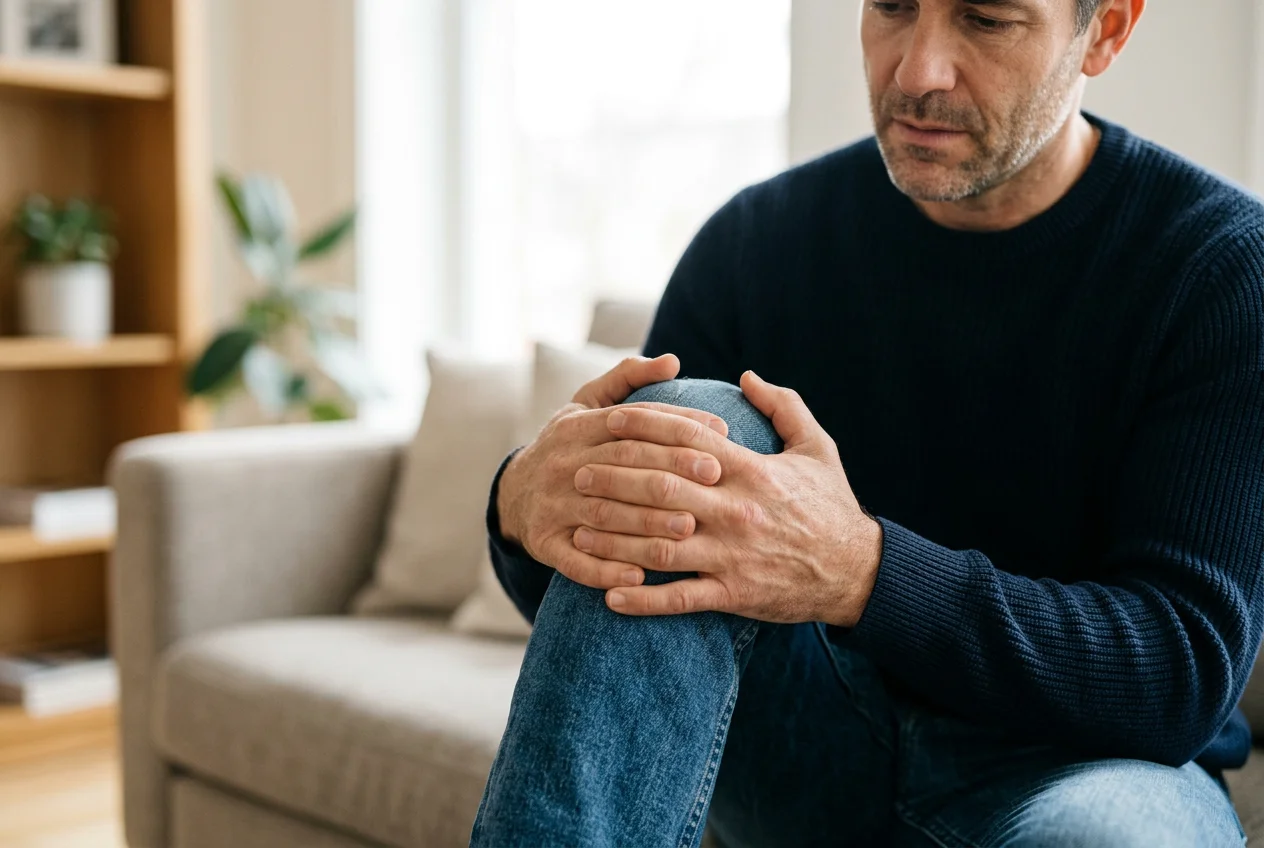
The anterior cruciate ligament helps control forward movement and rotation of the knee. Injuries commonly occur during cutting, pivoting, awkward landing or contact. A person may report a pop, rapid swelling, inability to continue and a feeling that the knee gives way.
Does every ACL rupture need reconstruction?
No. Some people can return to their desired activities with structured rehabilitation and no surgery, particularly when instability is controlled and their activity demands are compatible.
Others choose or require reconstruction because of recurrent giving way, associated injury, occupation or a goal of returning to high-demand pivoting sport. The decision is individual and should be made with an orthopaedic specialist and physiotherapist after the knee settles and the options are understood.
Pre-operative rehabilitation
When surgery is planned, rehabilitation beforehand can reduce swelling, restore extension, improve quadriceps strength and prepare you for the process ahead. Entering surgery with a stiff, swollen and poorly controlled knee may make early recovery more difficult.
What are the stages of ACL rehabilitation?
REHABILITATION COMMONLY PROGRESSES THROUGH THE FOLLOWING STAGES:
Restore knee extension, manage swelling and normalise walking

Rebuild quadriceps, hamstring, calf and hip strength

Develop single-leg control, balance and movement quality

Progress running, jumping, landing, deceleration and change of direction

Reintroduce sport-specific drills, training exposure and contact where relevant

Complete objective testing and a gradual return-to-sport plan
Why is time alone not enough?
Graft biology and healing time matter, but simply waiting a set number of months does not establish readiness. Return decisions should also consider strength symmetry, absolute strength, hop and power measures, movement quality, training tolerance, psychological readiness and the demands of the sport or job.
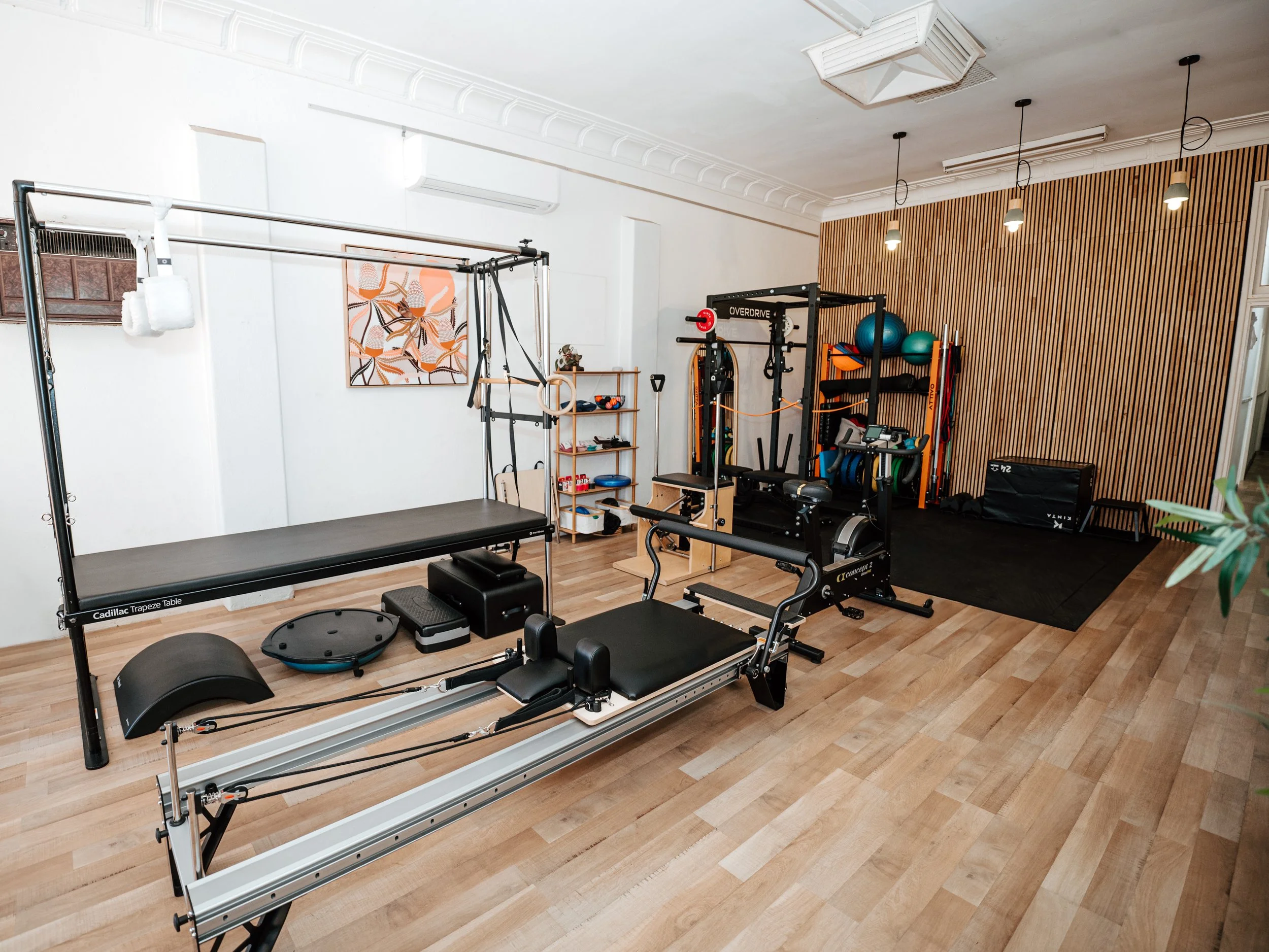
At Wattle Physio, AXIT force plates and dynamometers can provide objective strength and power measurements throughout rehabilitation. This helps identify remaining differences, track progress and guide decisions about running, training and return to sport. Passing tests does not eliminate reinjury risk. It helps identify whether important capacities have been restored and where further work is needed.
What about associated injuries?
Meniscal repair, cartilage injury, additional ligament injury and surgical instructions can alter weight-bearing, movement and exercise progression. Your rehabilitation plan should follow the specific procedure and surgeon guidance rather than a generic ACL timeline.
When should you seek urgent medical care?
SEEK URGENT ASSESSMENT IF YOU EXPERIENCE:
Severe calf pain or swelling, chest pain, shortness of breath or coughing blood after surgery
Increasing wound redness, discharge, fever or feeling unwell
A sudden loss of knee movement, major new swelling or inability to put weight through the leg
New numbness, foot weakness or uncontrolled pain
-
Running usually begins after adequate movement, swelling control, strength and impact tolerance are demonstrated. The exact timing varies and should not be based on the calendar alone.
-
Return is typically measured in many months rather than weeks and should be criteria-based. High-risk pivoting sport generally requires a longer, staged process than straight-line activities.
-
Many people regain high function, but recovery is individual. Objective testing helps compare limbs while also checking whether both legs have sufficient absolute capacity.
Common Questions
Plan your ACL rehabilitation
Book an ACL rehabilitation assessment at Wattle Physio in Joondanna and receive a progressive plan based on your current stage and goals.