
Lower Back Pain Physiotherapy in Joondanna and Moora

CLINICAL REVIEW DETAILS
Clinically reviewed by: Nick Nyman, Senior Musculoskeletal Physio
Last reviewed: August 2026
Profile link: Read Nick’s Bio
When physiotherapy may help
Physiotherapy may help many people with lower back pain by identifying factors that aggravate symptoms, restoring comfortable movement and gradually rebuilding strength and confidence. Most episodes improve, but assessment is important when pain is severe, persistent or accompanied by neurological or general health symptoms.
What is lower back pain?
Lower back pain is discomfort between the lower ribs and the buttocks. It may remain localised, spread into the hip or leg, or be accompanied by stiffness, altered sensation or weakness. The experience can range from a mild ache to pain that temporarily limits work, sleep or exercise. Pain does not always indicate significant tissue damage. The lower back is strong and adaptable, and symptoms can be influenced by a combination of recent loading, prolonged positions, sleep, stress, general health and previous episodes.
What commonly causes lower back pain?
A specific structure cannot always be identified, particularly in uncomplicated lower back pain. Symptoms may follow an unfamiliar lift, a rapid increase in work or training, a fall, prolonged inactivity or no obvious event. Other presentations include nerve-related leg pain, joint or disc irritation, spinal stenosis, fracture and inflammatory or medical conditions. A physiotherapy assessment aims to determine which category best fits your presentation rather than assuming every case is caused by a weak core, poor posture or a disc problem.
What does a physiotherapy assessment involve?
ASSESSMENT MAY INCLUDE:

A discussion about symptom behaviour, work, exercise, sleep, previous episodes and general health
Screening for nerve changes and signs that require medical investigation
Assessment of spinal and hip movement, strength and tolerance of relevant tasks
A practical explanation of the likely problem and what you can safely continue doing
Baseline measures that can be repeated to track meaningful change
How is lower back pain managed?
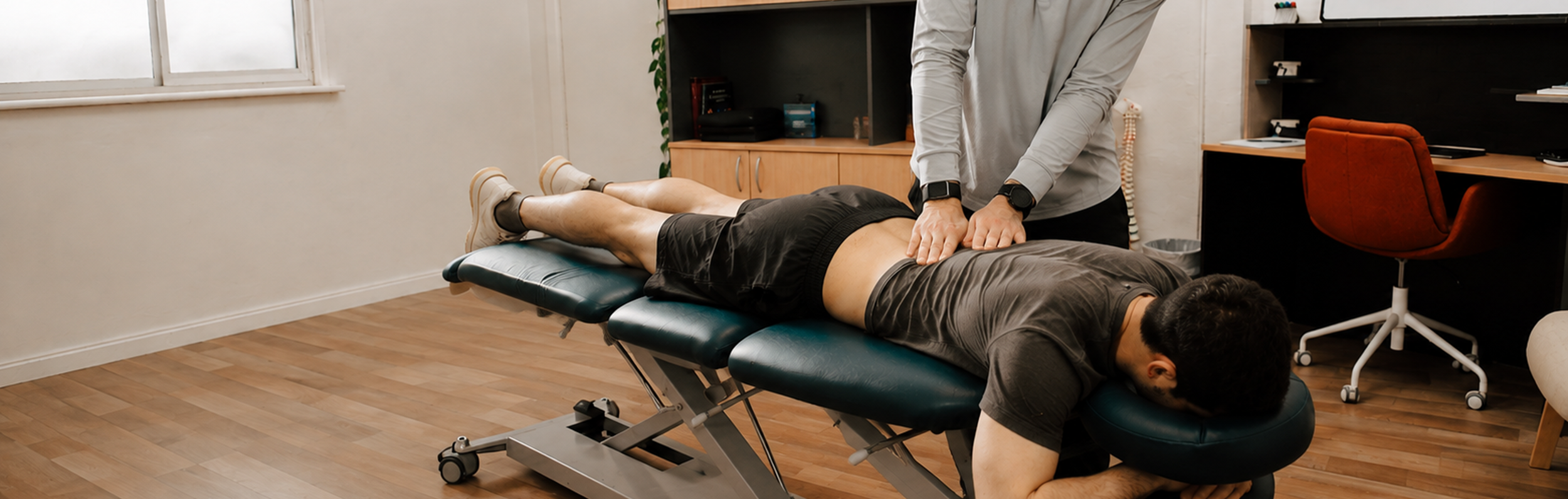
Management is matched to the person and may include advice to remain active, temporary modification of aggravating tasks, graded movement, strength and conditioning, manual therapy for short-term symptom relief, and a plan for returning to work or sport. Complete rest is rarely the long-term solution for uncomplicated back pain. Rehabilitation usually progresses from movements you tolerate now towards the lifting, sitting, walking or sporting demands you need later.
Do I need a scan?
Imaging is not routinely required for every new episode of lower back pain. Scans can identify normal age-related changes that are not necessarily responsible for symptoms. Imaging may be appropriate after significant trauma, when a serious condition is suspected, when neurological function is changing or when the result would change management. Your physiotherapist can liaise with your GP when further investigation is indicated.
What can I do now?
Keep moving within a manageable range instead of remaining in bed

Break up long periods of sitting or standing

Use comfortable walking or gentle exercise to maintain activity

Temporarily reduce, rather than permanently avoid, the most provocative tasks

Seek assessment if symptoms are worsening, recurring or limiting normal function

When should you seek urgent medical care?
MOST MUSCULOSKELETAL PAIN IS NOT CAUSED BY A SERIOUS CONDITION. HOWEVER, SEEK URGENT ASSESSMENT IF YOU EXPERIENCE:
New loss of bladder or bowel control, numbness around the groin or rapidly worsening leg weakness
Back pain after major trauma, especially with osteoporosis or prolonged steroid use
Fever, unexplained weight loss, severe night pain or feeling generally unwell
Chest pain, abdominal pain, faintness or other symptoms suggesting a non-musculoskeletal cause
-
Usually not permanently. Bending is a normal movement. It may be modified temporarily, then gradually reintroduced as symptoms and capacity improve.
-
This varies with the presentation, duration, work demands and overall health. Many uncomplicated episodes improve within weeks, while persistent or nerve-related symptoms can require longer rehabilitation.
-
Often, yes, with temporary task changes where needed. Remaining connected to work and progressively increasing duties can be useful when medically safe.
Common Questions
Take the next step
If lower back pain is affecting your work , sleep, exercise or everyday activities, book an assessment at Wattle Physio in Joondanna.